 By and
Quick answer: MADA grew a skincare brand from roughly $7,000 to $40,382 in monthly TikTok Shop GMV over four months at 5.31x return on ad spend, and the shop reached Gold Star Seller status. The step change came from an audience insight rather than from added budget.
Where this brand started
A skincare brand doing around $7,000 a month — selling, but not growing the way the category's numbers suggested it should.
What the numbers were
| Starting GMV | ~$7,000/month |
|---|---|
| GMV at 4 months | $40,382/month |
| Return on ad spend | 5.31x |
| Recognition | Gold Star Seller |
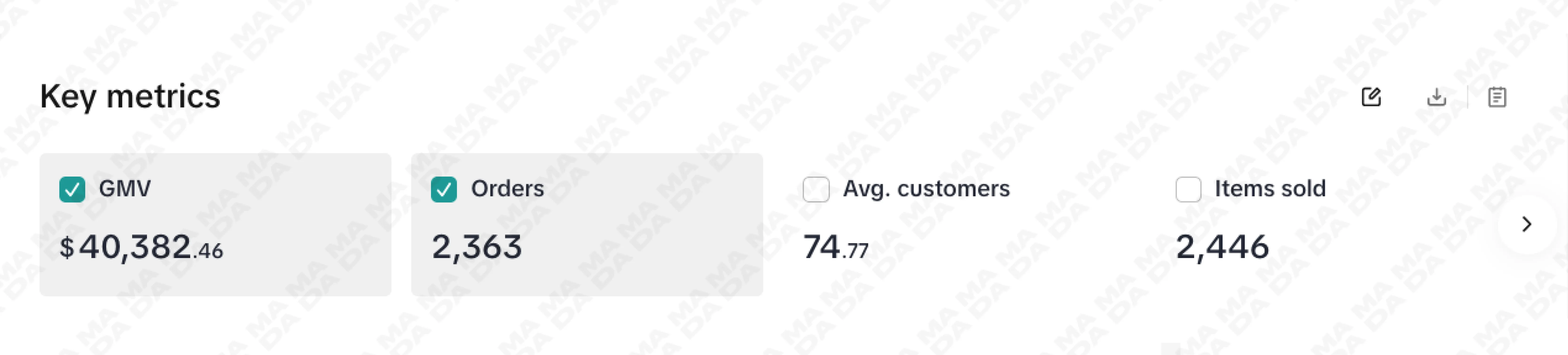
End-of-period monthly GMV from TikTok Shop Seller Center for this engagement, recorded at handover. One shop in one category, reported as run — not an average across accounts.
The insight that changed the account
The 4x did not come from spending more. It came from identifying which audience was actually buying and rebuilding creator recruitment around them, rather than around the audience the brand assumed it had.
This is the most transferable finding on this page. Brands routinely brief creators for the customer described in their marketing deck rather than the one appearing in their order data, and the gap between those two is often where the growth is sitting. It costs nothing to check and it is rarely checked.
How MADA approaches beauty and skincare
Beauty is the most competitive category on TikTok Shop and the most creator-dependent. Recruitment favours creators with demonstrated skincare sales rather than large general audiences, because a skincare buyer is looking for someone whose skin resembles theirs and whose recommendations they have followed before.
Claim compliance sets the boundaries. Cosmetic claims have limits, and creator briefs carry an explicit do-not-say list — a video promising to cure a condition is a violation whoever filmed it, and in a category this scrutinised it is the fastest route to a listing problem.
Gold Star Seller status reflects sustained operational performance, not marketing. It follows from fulfilment, service and account health being handled consistently while growth work runs.
How this category behaves on TikTok Shop
Beauty and skincare is the largest category on TikTok Shop in the US, at roughly 22.5% of total GMV, growing about 48% year on year (Dashboardly TikTok Shop category statistics (2026)). It is also the most competitive place on the platform to launch a product.
Category leadership means the creator pool is deep and the audience is already trained to buy skincare from video — neither has to be built. It also means a shopper comparing your product has seen dozens like it that week. Differentiation in beauty is rarely the formulation; it is which audience the brand is credibly speaking to, which is precisely what moved this account.
What we would tell another beauty seller
- Check who is actually buying before scaling spend. The audience in your order data may not be the one in your brief.
- Recruit creators with skincare sales history, not the largest accounts you can reach.
- Give every creator an approved-claims list. Beauty claims are policed closely.
- Seller status is earned through operations. It cannot be bought with content.
Frequently asked questions
By reading who is actually converting rather than who the brand assumes its customer is. In this engagement, identifying the real buying audience and rebuilding creator recruitment around it drove a 4x increase over four months — with no change in budget strategy.
It is recognition of sustained operational performance — fulfilment, customer service and account health held consistently over time. It reflects how a shop is run rather than how it markets, and it cannot be accelerated with content or ad spend.
Talk to an official TikTok Shop partner
Tell us your category and where you are today. We will tell you straight what TikTok Shop can do for you — including when the answer is that it is not worth it yet.
Book a call → Message on WhatsApp
or email hello@wearemada.com