Quick answer: Beauty brands grow on TikTok Shop by matching creators to the specific audience a product serves — skin type, hair texture, shade range, language — rather than by reach. Demo formats convert best but are heavily policed, and listing hygiene on shades and variants caps conversion before any traffic arrives.
Why does creator selection matter more in beauty than elsewhere?
Beauty is the most competitive category on TikTok Shop and the one where audience match predicts conversion most strongly. Follower count is close to worthless as a signal; who a creator's audience actually is — skin type, hair texture, age, language — is what determines whether their content sells.
What content formats work for skincare on TikTok Shop?
Routine, texture and application content carries most of the weight. Before-and-after is the highest-converting format and also the most heavily policed, so the practical approach is to show the product in use honestly rather than to promise a transformation.
What stops a beauty shop converting even with good traffic?
Catalogue problems. Missing shades, wrong variants, thin listings and incorrect attributes quietly cap conversion, and no amount of creator volume compensates. Fixing the catalogue costs nothing in media spend and changes the economics of everything downstream.
What we see across the beauty shops we manage
The biggest single lever we have found in beauty was an audience insight, not a budget change. A skincare brand with a stagnant shop turned out to have a majority of Spanish-speaking US buyers. After listings, content strategy and creator selection were rebuilt around that audience, sales grew 4× over four months to $40,382 at a 5.31× ROI, and the shop earned Gold Star Seller status.
A handmade hair care brand grew from $2,000 to over $10,800 monthly by month four — and outgrew its own production, which funded the founder's first offline store.
Methodology: figures are from two individual client accounts we operated, taken from TikTok Shop Seller Center reporting over the periods stated. Selected engagements, not an average; past performance is not a guarantee of future results.Frequently asked questions
Yes, and inventory is usually the binding constraint rather than demand. Creator volume should be planned against what a brand can actually produce and ship.
By audience match — skin type, hair texture, shade range and language — and by whether they have sold in the category before, rather than by follower count.
Claims implying a medical outcome are. Products marketed with treatment-style claims attract the same scrutiny as restricted categories, so claim language should be briefed explicitly.
Shops we have run in this category
Individual client accounts, with the Seller Center reporting behind each figure. These are selected engagements rather than an average, and past performance is not a guarantee of future results.
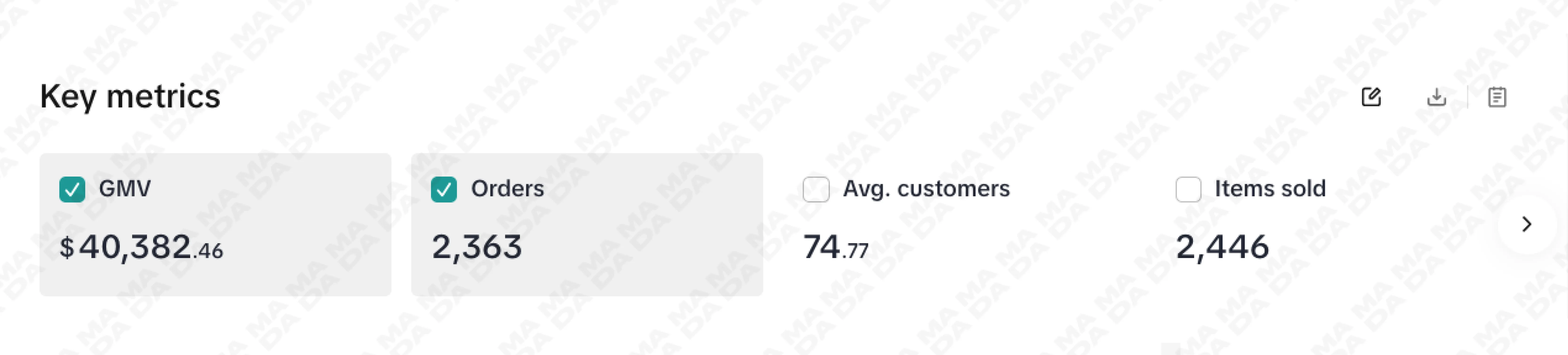
4× in 120 days
Increased a skincare brand's GMV by 4× in 4 months at a 5.31× ROI.
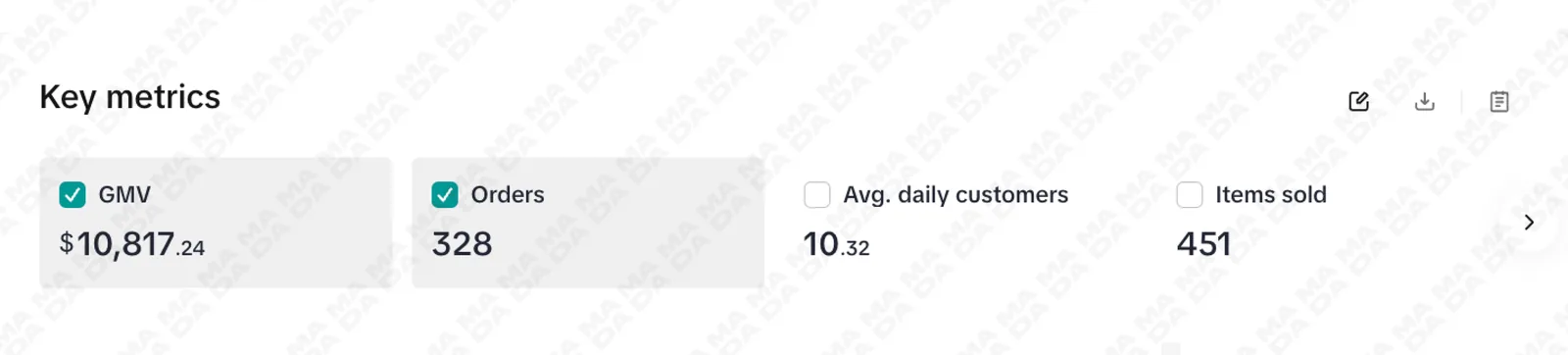
5× growth and SOLD OUT
Helped a small beauty brand open its first retail store.
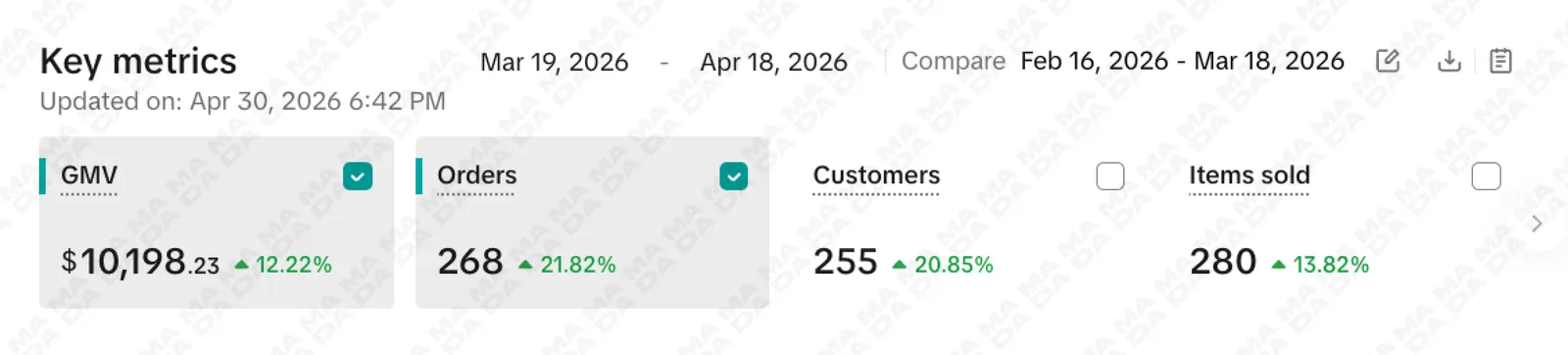
Zero to $10K/month in 90 days
Scaled a microneedling brand to $10K monthly GMV in three months.
What we did
Talk to an official TikTok Shop partner
Tell us your category and where you are today. We will tell you straight what TikTok Shop can do for you — including when the answer is that it is not worth it yet.
Book a call → Message on WhatsApp
or email hello@wearemada.com